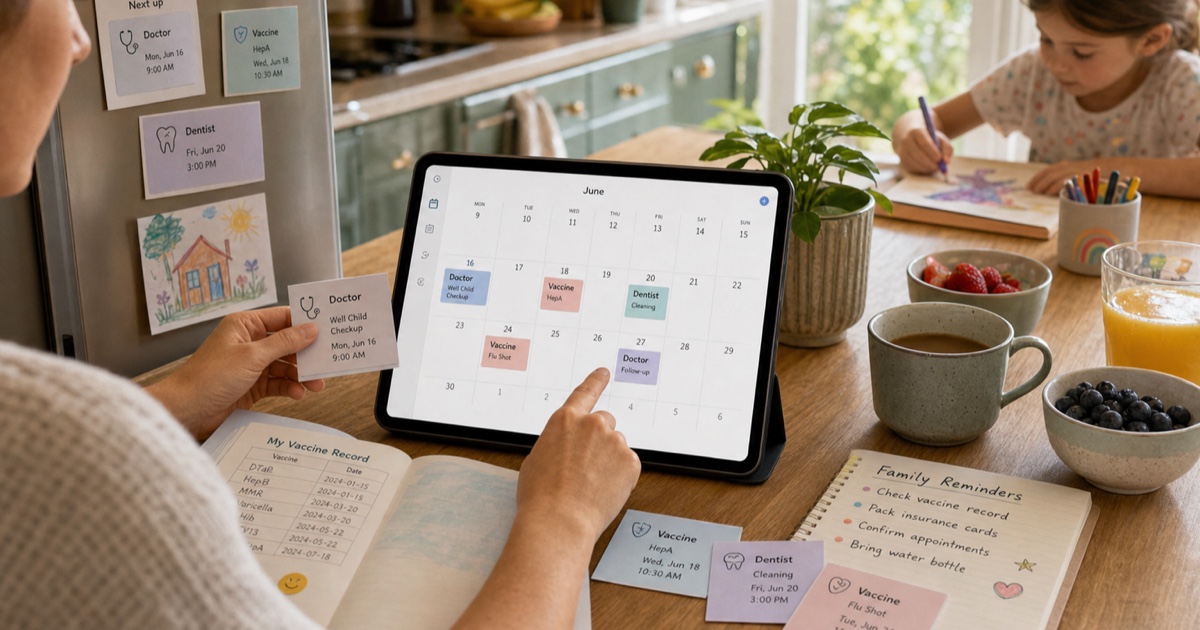
A family reunion rarely means one event at one address. There may be an airport pickup on Friday, a welcome dinner that evening, games in the park on Saturday, and a farewell brunch on Sunday. Add relatives arriving from different cities and the plan can become difficult to follow surprisingly quickly.
A shared master calendar gives everyone the same answer to three essential questions: where should we be, when should we arrive, and what should we bring?
Why Reunion Plans Become Scattered
Family reunion details tend to live across invitation cards, group chats, venue confirmations, spreadsheets, and printed activity sheets. Each source may contain only part of the plan. The hotel booking lists check-in times, the picnic flyer has the park address, and a message from an aunt contains the latest dinner reservation.
This fragmentation creates more than inconvenience. Guests may follow an outdated schedule, arrive at the wrong entrance, or miss an activity because its start time changed in a conversation they did not see.
The organizing team also spends too much time answering the same questions. A calendar that includes dates, locations, notes, and reminders becomes a reliable reference for the whole family.
Build a Reunion Calendar in 4 Steps
1. Collect Every Source
Gather the latest reunion flyer, travel itinerary, venue booking, activity schedule, and meal plan. Ask each organizer to confirm which version is current before you start.
Include the smaller commitments too: grocery pickup, decorating time, photographer arrival, equipment rental, and transportation windows. These operational events are often the ones that cause delays.
2. Convert Documents into Events
You can enter every item manually, but a multi-day reunion can contain dozens of dates and times. With PhotoCalia, take a clear photo of each schedule or upload the original document. The service extracts event details and prepares calendar entries for review.
Check every event before exporting, especially venue names, time zones, and handwritten changes. Keep one event per activity so future updates remain easy.
3. Add Useful Context
A good reunion event contains more than a title. Add the full address, parking or entrance instructions, the organizer's contact details, and anything guests need to bring.
Use reminders according to the activity. An airport pickup may need a one-hour alert, while a family photo may benefit from a reminder the previous evening so everyone can prepare.
4. Share One Authoritative Version
Choose one person or a small organizing group to maintain the calendar. Share it with relatives as read-only when possible, and reserve editing access for the people responsible for changes.
When a venue or time changes, update the existing event instead of sending a second competing schedule. A short message can announce the change, but the calendar should remain the source of truth.
A Practical Multi-Day Structure
Organize the reunion into clear categories so guests can understand the weekend at a glance:
Travel and transportation for arrivals, pickups, and departures
Main gatherings such as the welcome dinner, picnic, and farewell brunch
Optional activities for games, sightseeing, workshops, or quiet family time
Organizer tasks including setup, catering, supplies, and cleanup
Personal reminders for medication, accessibility needs, or children's routines
Color-coding these categories makes a busy itinerary easier to scan without requiring everyone to read a long planning document.
Plan for Changes Without Creating Confusion
Outdoor activities, delayed flights, and large restaurant bookings can all change at short notice. Add backup locations directly to the event notes and identify which organizer will make the final decision.
For relatives who do not use digital calendars, print a simplified version after the final review. Include a QR code or short link to the live calendar so another family member can check last-minute updates for them.
One Calendar, More Time Together
The best reunion plan is not the most complicated one. It is the plan that lets guests stop searching through messages and enjoy being together. PhotoCalia includes 3 free conversions per month, making it easy to turn reunion flyers, itineraries, and activity sheets into a calendar the whole family can follow.
Related guides: use the same approach for music festival lineups, sports league schedules, or the general photo to Google Calendar workflow.